
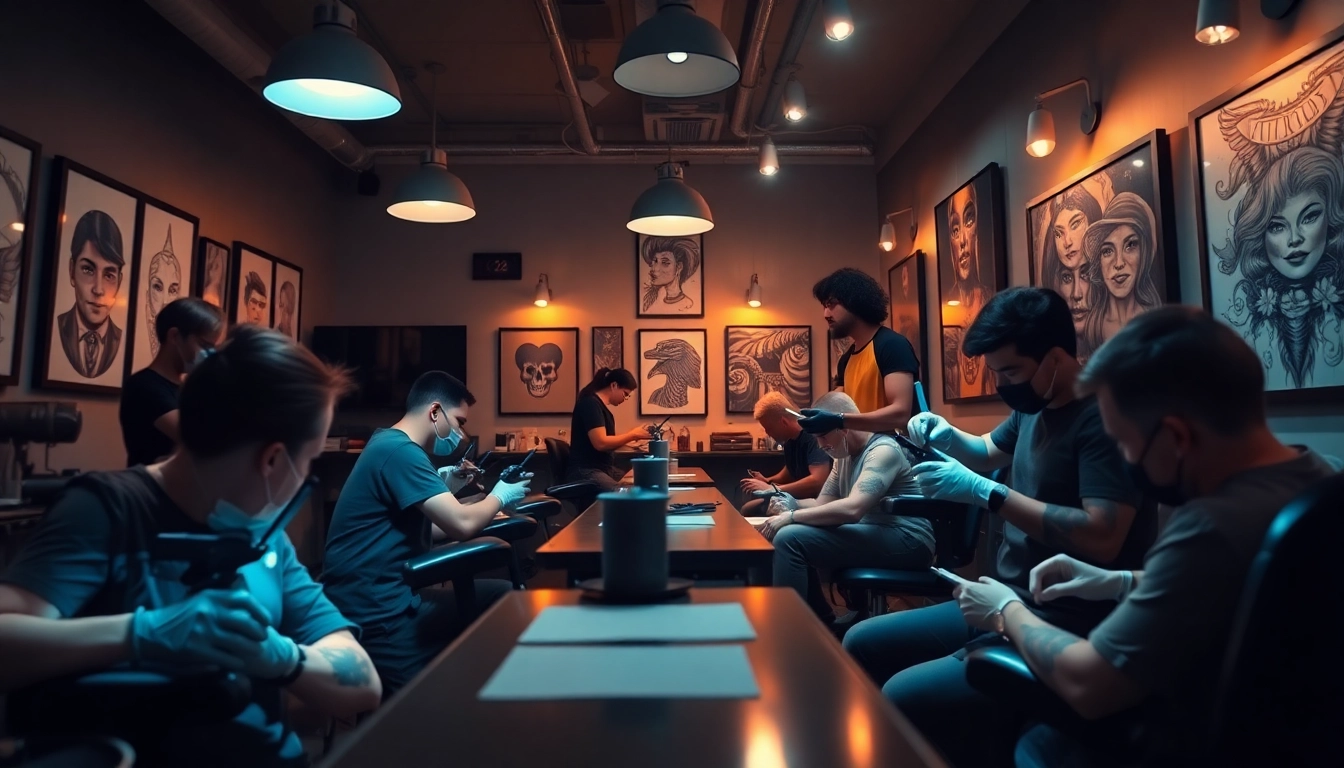
Understanding the Tattoo Culture Landscape in 2026
The tattoo industry has seen a remarkable transformation over the last few decades, evolving from a subculture to a mainstream phenomenon. As we step into 2026, it’s essential to explore the intricacies of tattoo culture, examining historical influences, current trends, and the demographic shifts that shape who is getting tattooed today. With the rise of technology and changing societal attitudes, tattoos have transcended mere body art to become powerful expressions of personal and cultural identity.
For those seeking insights into the evolving tattoo landscape, https://89bet.tattoo/ offers a comprehensive resource for enthusiasts and newcomers alike.
The Evolution of Tattoos: A Historical Overview
Tattooing is not a modern invention; its roots can be traced back thousands of years. Ancient cultures, including the Egyptians and Polynesians, utilized tattoos for various purposes, ranging from rites of passage to symbols of status. In the modern era, tattoos became associated with sailors and criminals, often viewed with skepticism. However, as the 20th century progressed, tattoos gained acceptance, particularly during the 1960s and 70s, as counterculture movements embraced body art as a form of rebellion and self-expression.
Today, tattoos reflect an individual’s story, beliefs, and experiences, resonating with a broader audience across various demographics.
Current Trends Influencing Tattoo Choices
Fashion and cultural influences play a significant role in shaping tattoo trends. In 2026, there are several noteworthy trends impacting tattoo choices:
- Personalization: Custom tattoos that tell a unique story are increasingly sought after, emphasizing personal significance over generic designs.
- Colorful Tattoos: While black and gray tattoos remain popular, vibrant colors are resurging, appealing to a younger demographic.
- Cultural Inspirations: Many individuals are choosing designs that reflect their heritage, embracing cultural symbols and motifs.
Demographics: Who is Getting Tattooed Today?
As tattoo acceptance has grown, the demographics of those getting tattoos have diversified significantly. In 2026, the following groups are particularly active in the tattoo scene:
- Millennials and Gen Z: These younger generations view tattoos as a form of self-expression and individuality.
- Women: More women are getting tattooed than ever before, often opting for designs that celebrate femininity and empowerment.
- Professionals: Tattoos are increasingly common among professionals in various fields, challenging outdated notions of workplace appearance.
Exploring Popular Tattoo Styles and Techniques
As tattoo culture continues to evolve, so too do the styles and techniques employed by tattoo artists. Understanding these variations can help individuals make informed decisions when choosing their designs.
Traditional vs. Modern: What’s Trending?
Traditional tattoo styles, often characterized by bold lines and a limited color palette, remain popular; however, modern techniques are gaining traction. These include:
- Neo-Traditional: This style builds on traditional tattooing, incorporating a broader color range and intricate details.
- Watercolor: Emulating the appearance of watercolor paintings, these tattoos focus on vibrant colors and abstract designs.
- Realism: This technique aims to create photographic likenesses on the skin, a choice favored by those seeking intricate, lifelike designs.
Exploration of Minimalist and Abstract Tattoos
Minimalism has become a significant trend in tattooing, focusing on simplicity and clean lines. Abstract tattoos often blur the lines between art and body modification, allowing for creative expression without conventional boundaries. These styles resonate deeply with those who prefer subtlety and understated elegance.
Tech-Enabled Tattoos: The Future of Tattooing
Advancements in technology are making waves in the tattoo industry, with innovations such as temporary tattoos that can change color or light up, thanks to embedded electronics. These tech-enabled tattoos are redefining the concept of body art, blending art with technology and paving the way for future innovations.
Choosing the Right Tattoo Artist at https://89bet.tattoo/
Finding the perfect tattoo artist is crucial for ensuring a satisfying tattoo experience. With numerous choices available, it’s important to know what to look for when selecting an artist.
What to Look for in a Professional Tattoo Artist
When choosing a tattoo artist, consider their specialization, experience, and artistic style. An artist’s portfolio should reflect their skill and versatility, showcasing a range of styles that resonate with your personal preferences.
Reading Portfolios: Signs of Quality Work
A quality portfolio will not only display finished pieces but also include healed tattoos to demonstrate how they look over time. Look for consistency in line work, color saturation, and overall aesthetics, all of which are indicators of a skilled artist.
The Importance of Client Reviews and Recommendations
Client reviews can provide valuable insights into an artist’s professionalism and customer service. Recommendations from friends or family can also guide you toward reputable tattoo artists known for their quality work and safe practices.
Health and Safety Considerations in Tattooing
As with any body modification, health and safety should be top priorities when getting a tattoo. Understanding the hygiene practices of your chosen artist is essential.
Understanding Tattoo Hygiene Practices
Reputable tattoo parlors will adhere to strict hygiene protocols to minimize the risk of infection. This includes using sterilized equipment, disposable needles, and gloves during the tattooing process. Always ensure that the studio follows proper sanitation practices.
Aftercare: Ensuring Your Tattoo Heals Properly
Proper aftercare is crucial for the long-term health of your tattoo. Follow your artist’s aftercare instructions carefully, which may include keeping the tattoo clean and moisturized, as well as avoiding sunlight and soaking in water for a period of time.
Addressing Allergies and Skin Sensitivities in Tattooing
Some individuals may experience allergic reactions or skin sensitivities to certain ink ingredients. It’s important to communicate any past reactions to your artist and consider conducting a patch test if you have sensitive skin or allergies.
Embracing Tattoo Art as a Form of Expression
Tattoos increasingly serve as powerful forms of personal expression, allowing individuals to share their stories, beliefs, and cultural identities through body art.
Personal Stories Behind Popular Tattoo Choices
Many tattoos are steeped in personal significance, representing life milestones, loved ones, or cherished memories. Exploring the reasons behind popular choices can shed light on the profound impact of tattoos on individuals’ lives.
How Tattoos Can Influence Identity and Self-Expression
For many, tattoos are more than just art; they are integral to their identity. They may serve as badges of honor, markers of transformation, or symbols of resilience, playing a crucial role in how individuals perceive themselves and are perceived by others.
The Future of Tattoo Art: Predictions for 2026 and Beyond
As we look ahead, the tattoo industry is expected to continue evolving. For more information, Đăng nhập 89bet offers valuable insights. Embracing new technologies, expanding acceptance, and the ongoing quest for personalization and self-expression will likely shape the future of tattoo art. Innovations such as augmented reality tattoos and enhanced aesthetic techniques may further redefine the boundaries of this dynamic art form.