Understanding Sports Broadcasting
What is Sports Broadcasting?
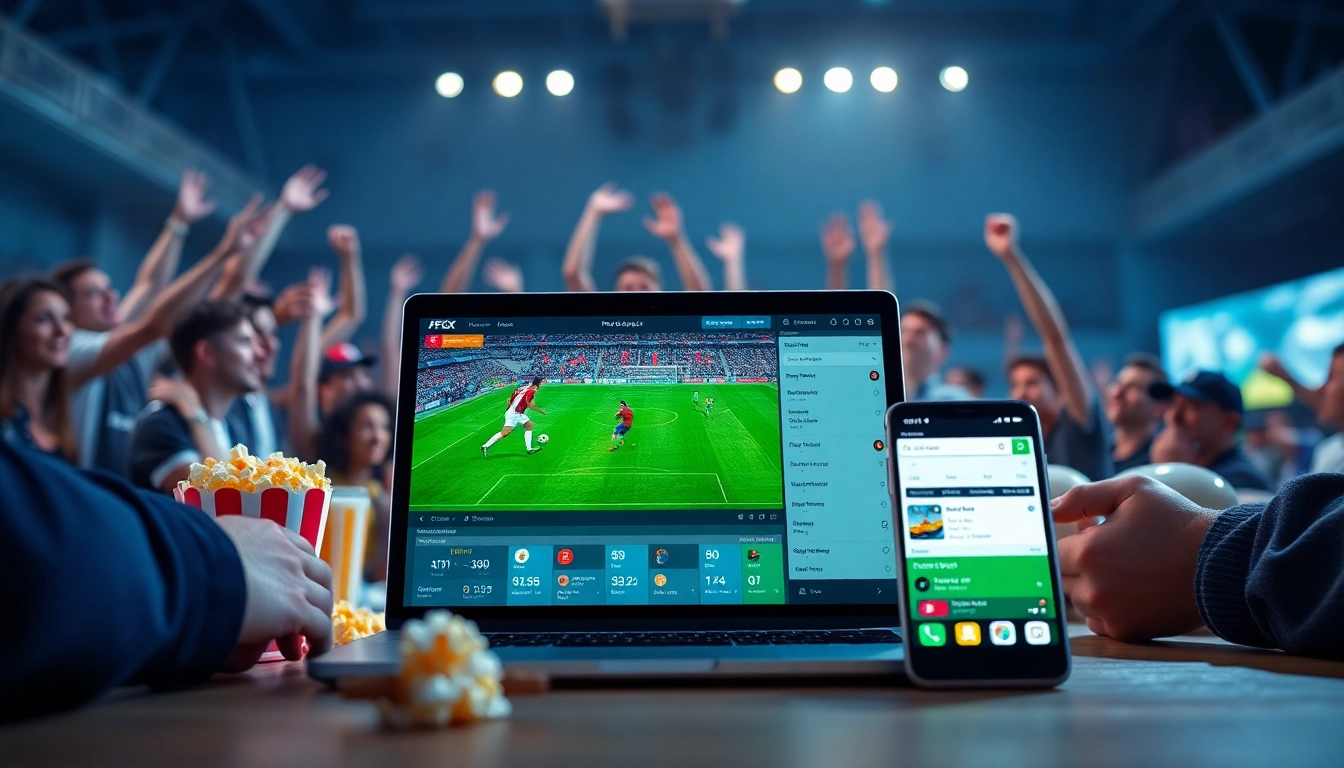
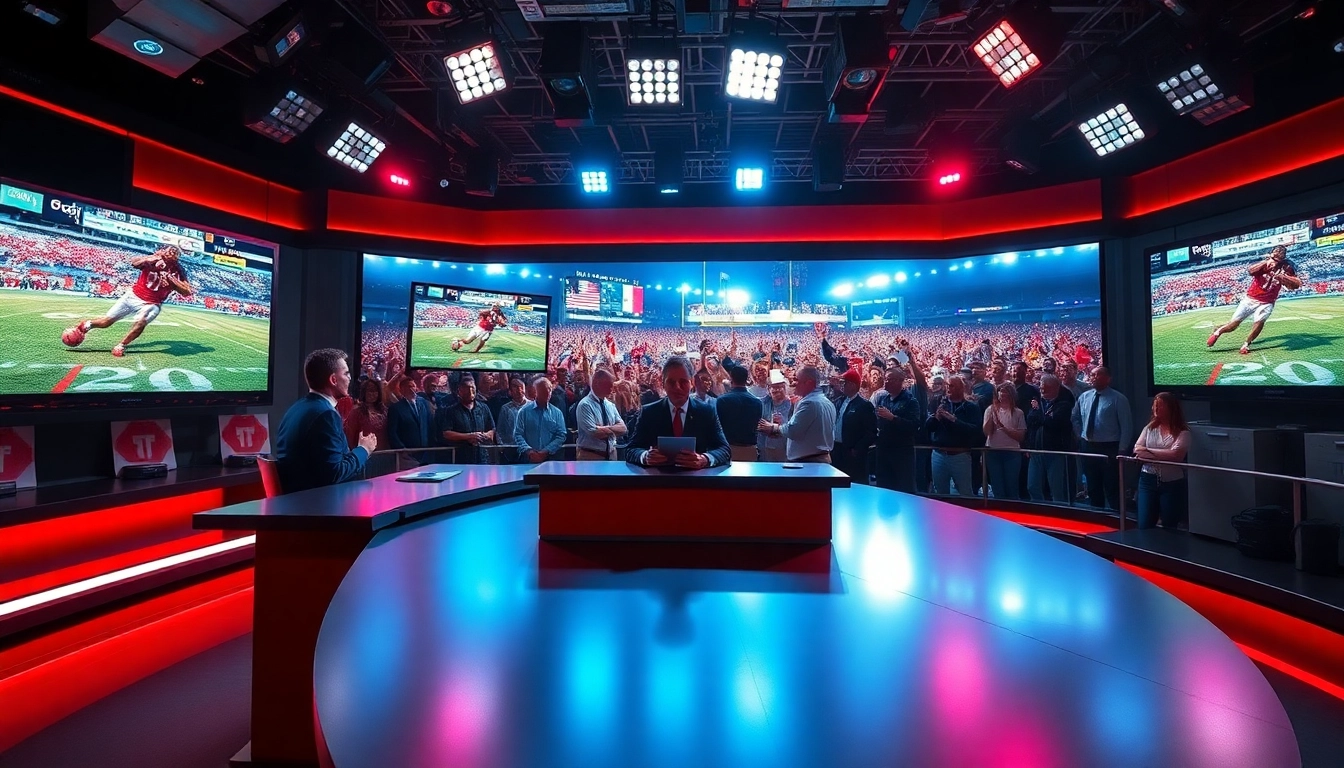
Sports Broadcasting refers to the live or recorded broadcast of sporting events via television, radio, or online platforms. The primary aim is to deliver real-time commentary and visual content, allowing fans to enjoy their favorite sports from anywhere. An essential aspect of this industry is the ability to connect audiences with the excitement of sports, providing in-depth analysis, expert commentary, and insights into players and teams. As an influential medium, Sports Broadcasting shapes the way fans engage with their beloved games.
The History of Sports Broadcasting
Sports Broadcasting has a rich history, dating back to the early days of radio in the 1920s. The first recorded sporting event broadcast occurred in 1921 when a boxing match was aired. By the 1930s, radio broadcasts of baseball games became popular, paving the way for television coverage in the late 1940s. Significant events like the 1954 NFL Championship Game showcased the power of televised sports, drawing immense viewer numbers and leading to rapid advancements in technology. The 1980s and 1990s marked the emergence of 24-hour sports networks, changing the landscape of Sports Broadcasting forever.
Types of Sports Broadcasting
Sports Broadcasting can be categorized into several types, each serving unique audience needs:
- Live Broadcasting: Real-time coverage of sports events, allowing viewers to experience the action as it unfolds.
- Pre-recorded Programming: Highlight shows, documentaries, and analysis segments that provide recap and insights into past events.
- Online Streaming: Digital platforms that enable fans to watch games live on mobile devices or computers, often with interactive features.
- Radio Broadcasting: Audio-only coverage that caters to audiences on-the-go or those who prefer an audio experience.
Key Components of Sports Broadcasting
Essential Equipment for Sports Broadcasting
Successful Sports Broadcasting hinges on a variety of essential equipment, which includes:
- Cameras: High-definition cameras capture live action, with multiple angles providing a comprehensive view of the event.
- Microphones: Quality audio equipment captures commentary and crowd reactions, enhancing the viewing experience.
- Switchers: Devices used to transition between multiple camera feeds, allowing smooth coverage of events.
- Graphics Systems: Tools for adding visual elements such as scoreboards, player stats, and promotional graphics.
- Transmission Equipment: Gear that facilitates the broadcast signal, whether through satellite, cable, or the internet.
Role of Technology in Sports Broadcasting
Technology plays a transformative role in Sports Broadcasting, enhancing how content is delivered and experienced. Innovations such as 4K resolution, virtual reality (VR), and augmented reality (AR) immerse viewers in the action. Furthermore, the use of drones for aerial shots and instant replay systems ensures fans do not miss critical moments. The integration of data analytics also provides insightful statistics that enrich viewer understanding and engagement during broadcasts.
Broadcasting Software and Tools
Various software applications and tools are crucial for seamless Sports Broadcasting. Examples include:
- Broadcast Automation Software: Streamlines the scheduling and management of live broadcasts, ensuring a smooth workflow.
- Video Editing Software: Essential for creating highlight reels and pre-game analysis, allowing for quick turnarounds post-event.
- Social Media Management Tools: These facilitate real-time communication with fans, sharing updates and engaging audiences across various platforms.
- Data Visualization Software: Enhances analytical discussions by presenting statistics and trends in an easily digestible format.
Challenges in Sports Broadcasting
Legal and Regulatory Considerations
Sports Broadcasting is subject to a myriad of legal issues, including copyright laws, broadcasting rights, and compliance with regulatory bodies. Navigating these legal frameworks requires comprehensive understanding and careful planning to avoid potential litigation and ensure that all content is appropriately licensed. Broadcasters must also keep abreast of the changing regulations in digital broadcasting and sports rights to maintain a competitive edge.
Audience Engagement Strategies
Engagement is a key challenge facing Sports Broadcasting. Broadcasters must implement effective strategies to capture and retain audience attention:
- Interactive Features: Polls, quizzes, and live chats during broadcasts foster a sense of community among fans.
- Highlight Shows: Regularly showcasing game highlights and player performances keeps interest alive until the next event.
- Memorable Storytelling: Focusing on player stories, rivalries, and historical context enriches the viewing experience.
Overcoming Technical Difficulties
Technical difficulties can disrupt broadcasts, frustrating both audiences and broadcasters. Solutions include:
- Regular Equipment Maintenance: Keeping all broadcasting gear updated and serviced reduces the chances of failure during crucial moments.
- Redundant Systems: Implementing backup systems for power, internet connectivity, and data storage ensures continuity.
- Real-time Troubleshooting Protocols: Establishing protocols to quickly address issues as they arise minimizes disruptions.
Best Practices for Successful Sports Broadcasting
Planning and Preparation
Effective Planning and Preparation are foundational for successful broadcasts. Steps include:
- Conducting thorough research on teams, players, and the event to provide informed commentary.
- Designing a detailed broadcast schedule that covers the flow of the event, including pre-game, during the event, and post-game analyses.
- Ensuring all team members understand their roles and responsibilities beforehand.
Effective Communication Techniques
Strong communication is vital in Sports Broadcasting. Techniques include:
- Clarity and Conciseness: Presenting information in a clear and straightforward manner keeps audiences engaged.
- Pausing for Effect: Strategically using pauses can emphasize important points and give viewers time to absorb information.
- Storytelling: Weaving narratives into commentary adds depth and maintains viewer interest throughout the broadcast.
Adapting to Audience Preferences
Understanding and adapting to audience preferences is essential for engagement. Techniques include:
- Feedback Mechanisms: Utilizing surveys and social media to gather audience opinions helps tailor content to their interests.
- Diverse Coverage: Offering different types of programming, such as expert analysis, behind-the-scenes content, and fan-driven segments increases viewer satisfaction.
- Customization Options: Providing options for viewing angles and commentary styles allows fans to personalize their experience.
The Future of Sports Broadcasting
Emerging Trends in Sports Media
The landscape of Sports Broadcasting is evolving rapidly. Current trends include:
- Streaming Services: The rise of OTT (over-the-top) platforms allows for more flexible viewing options, transforming traditional broadcasting models.
- Esports Broadcasting: As esports gains popularity, broadcasters are adapting traditional broadcasting techniques to cater to the gaming audience.
- Virtual Reality Experiences: VR is set to revolutionize the viewing experience by offering immersive perspectives that engage fans like never before.
Impact of Data Analytics on Sports Broadcasting
Data analytics is reshaping Sports Broadcasting by providing actionable insights. Key impacts include:
- Performance Analysis: Real-time data allows commentators to provide informed analysis on player performance, enhancing viewing enjoyment.
- Predictive Analytics: Leveraging statistics to anticipate game outcomes can create engaging content for viewers, deepening engagement.
- Customized Content: Data helps broadcasters understand viewer preferences, enabling the creation of personalized experiences.
The Role of Social Media in Sports Broadcasts
Social media has become an integral part of Sports Broadcasting, influencing how content is consumed and shared. Key roles include:
- Real-time Interaction: Fans use social media platforms to engage with broadcasts live, providing instant feedback and commentary.
- Content Sharing: Highlights, memorable moments, and player interviews can quickly go viral on social platforms, expanding reach.
- Fan Communities: Social media fosters communities where fans can discuss, analyze, and celebrate their favorite sports and players.
Frequently Asked Questions
What are the primary types of Sports Broadcasting?
Sports Broadcasting includes live broadcasting, pre-recorded programming, online streaming, and radio broadcasting, catering to diverse audience needs.
What technology is essential for Sports Broadcasting?
Key technology for Sports Broadcasting includes cameras, microphones, graphics systems, and broadcast automation software, ensuring high-quality coverage.
How can broadcasters engage their audience effectively?
Broadcasters can engage audiences through interactive features, memorable storytelling, and highlight shows, fostering a community atmosphere.
What challenges do sports broadcasters face?
Challenges include legal considerations, technical difficulties, and audience engagement, requiring strategic planning and adaptability.
What is the future of Sports Broadcasting?
The future of Sports Broadcasting is shaped by streaming services, esports, VR experiences, and data analytics, offering new viewer engagement opportunities.